Electricians · Plumbers · HVAC · Fire and security · Gas
Plan the round in the office. The engineer gets the address, the history and the right certificate on their phone, signs it off on site, and the paperwork is already done by the time they are back in the van.
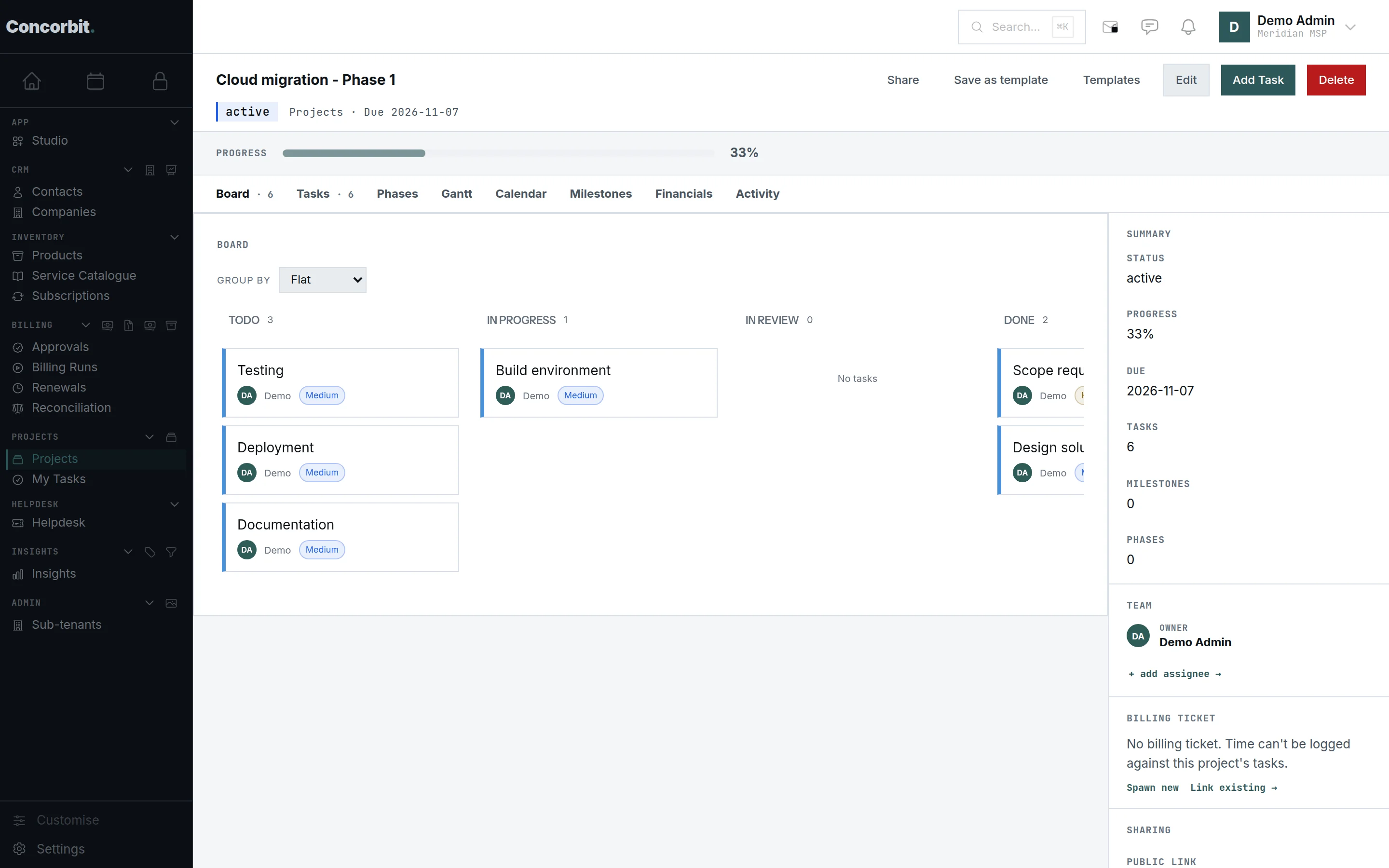
The round for the day is already on the board. Two planned services, one call-out that came in overnight through the portal, and a return visit that needed a part ordering.
The engineer opens the job on their phone. Address, gate code, what failed here in March, and the inspection form they have to complete before it can be signed off.
Work done, photos on, customer signs on the screen. Time and materials are logged against the job as they go, not remembered at six o'clock.
The certificate is filed against the customer and a copy is in their portal. The office can see the job is done without ringing to ask.
Invoices go out for everything signed off today, with the labour and the parts already on them. Nobody re-types a job sheet into an accounts package.
Engineers get a mobile seat at £12. It has the job list, the site form, sign-off and time entry, and nothing else to get lost in. Add one for every van without thinking about the bill.
Build your certificates, checklists and risk assessments once. They come back complete, attached to the job, with photographs and a signature, and they are searchable two years later when somebody queries it.
Recurring services, inspections and maintenance visits appear on the board when they are due and bill on the schedule you set. The reminder you used to keep in your head is now the system's job.
Labour and materials are logged as the work happens, so the margin on a job is a fact rather than a feeling. The ones that lose money are easy to spot, which is usually the point.